

Atlas qDMS
Patient-Calibrated Pharmacology
From Qualitative Screens to Quantitative Clinical Prediction
Move beyond relative fitness scores. Atlas qDMS delivers dose-aware, IC50-equivalent measurements for thousands of variants in parallel—bridging the gap between in vitro data and patient reality.
Atlas qDMS delivers dose-aware, IC50-equivalent measurements for thousands of variants in parallel, bridging the gap between in vitro data and patient reality. Standard functional screens often fail because they use arbitrary cell concentrations, ignoring how drugs bind to plasma proteins in humans. This creates "blind spots"—variants that look sensitive in a dish but survive in a patient.
We incorporate translational pharmacology into our library design. By transforming in vitro concentrations to match human plasma exposure, we reduce the unpredictable variability in mutation rates.
Our Workflow
Comprehensive Library Construction: We use synthetic saturation mutagenesis to test every single amino acid substitution, avoiding the bias of only testing known hotspots
Physiologically Relevant Models: We use patient-derived cell lines that depend on the protein of interest (e.g., Ba/F3, K562), ensuring biological relevance rather than expression artifacts.
Deep Sequencing (NGS): High-throughput sequencing tracks variant frequency over time, allowing us to calculate true net growth rates rather than simple enrichment/depletion scores.
Quantitative Analysis: We fit dose-response curves for each variant, generating data that strongly correlates with traditional IC50 measurements (ρ=0.87).
Design Durable Therapies
-
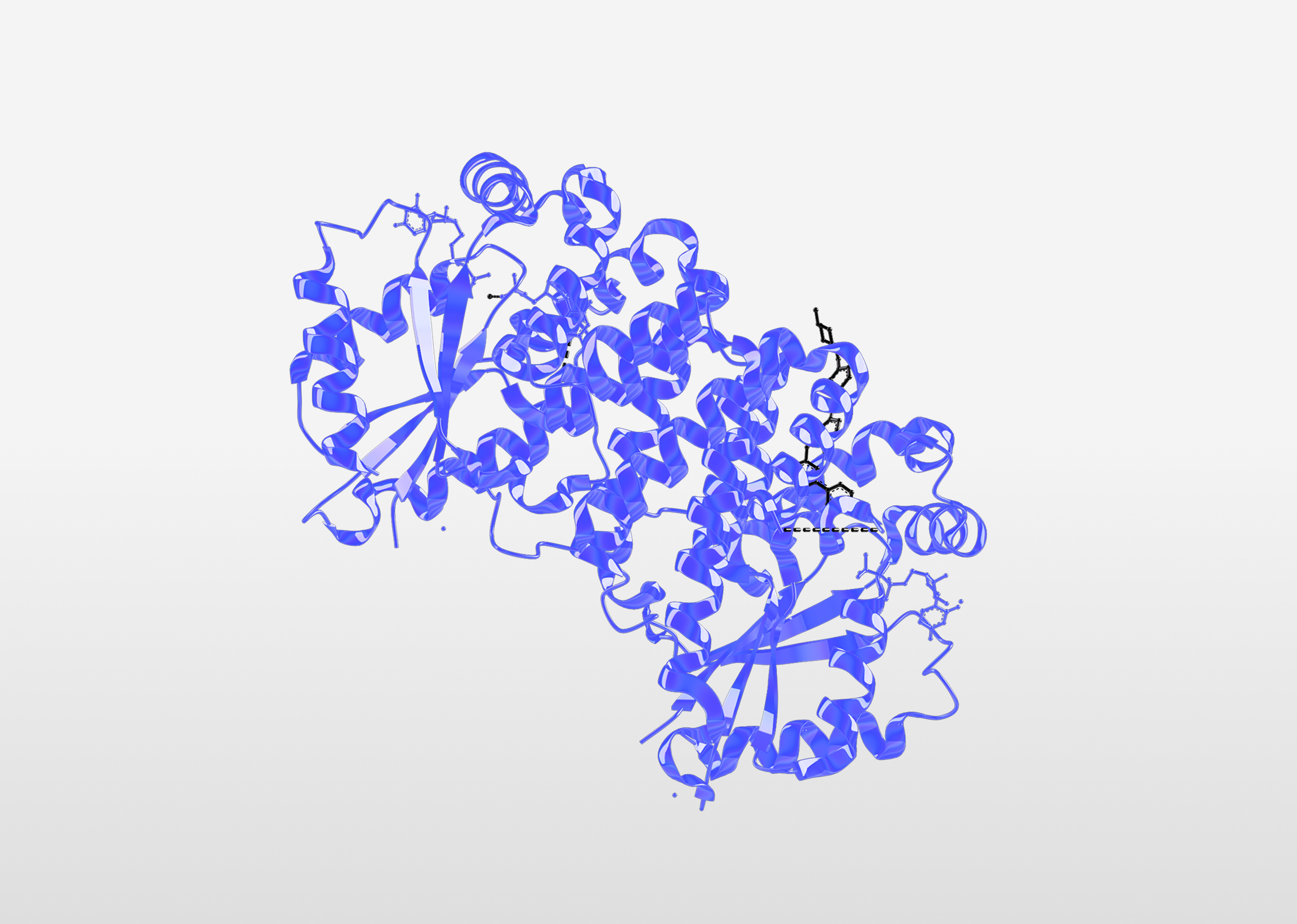
Lead Optimization
Identify liabilities in your molecule scaffold before freezing the design.
-
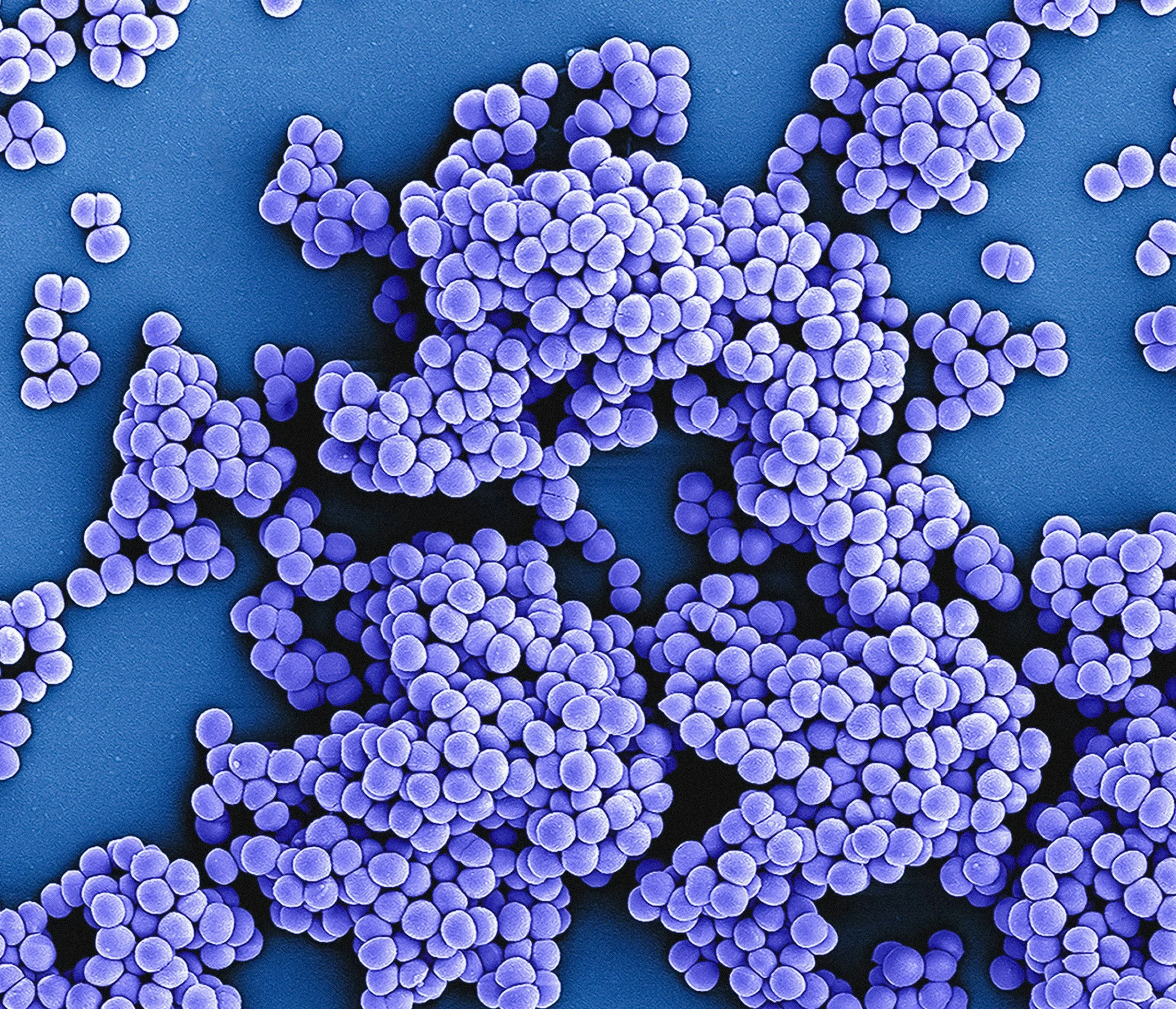
Patient Stratification
Define inclusion/exclusion criteria based on functional data to characterize your cohort with precision.
-

Rescue & Repurpose
Understand why a trial failed and identify the specific patient subgroups in which the drug works.

Ready to dive in?